

Digital sovereignty is no longer an abstract political buzzword. It describes the ability of states, businesses and citizens to control their digital infrastructure, their data and their communication independently – without critical dependencies on foreign corporations or jurisdictions. In a time when digital services have become the foundation of our society, digital sovereignty determines whether Europe can preserve its values, its economic strength and its democratic stability in the digital realm.
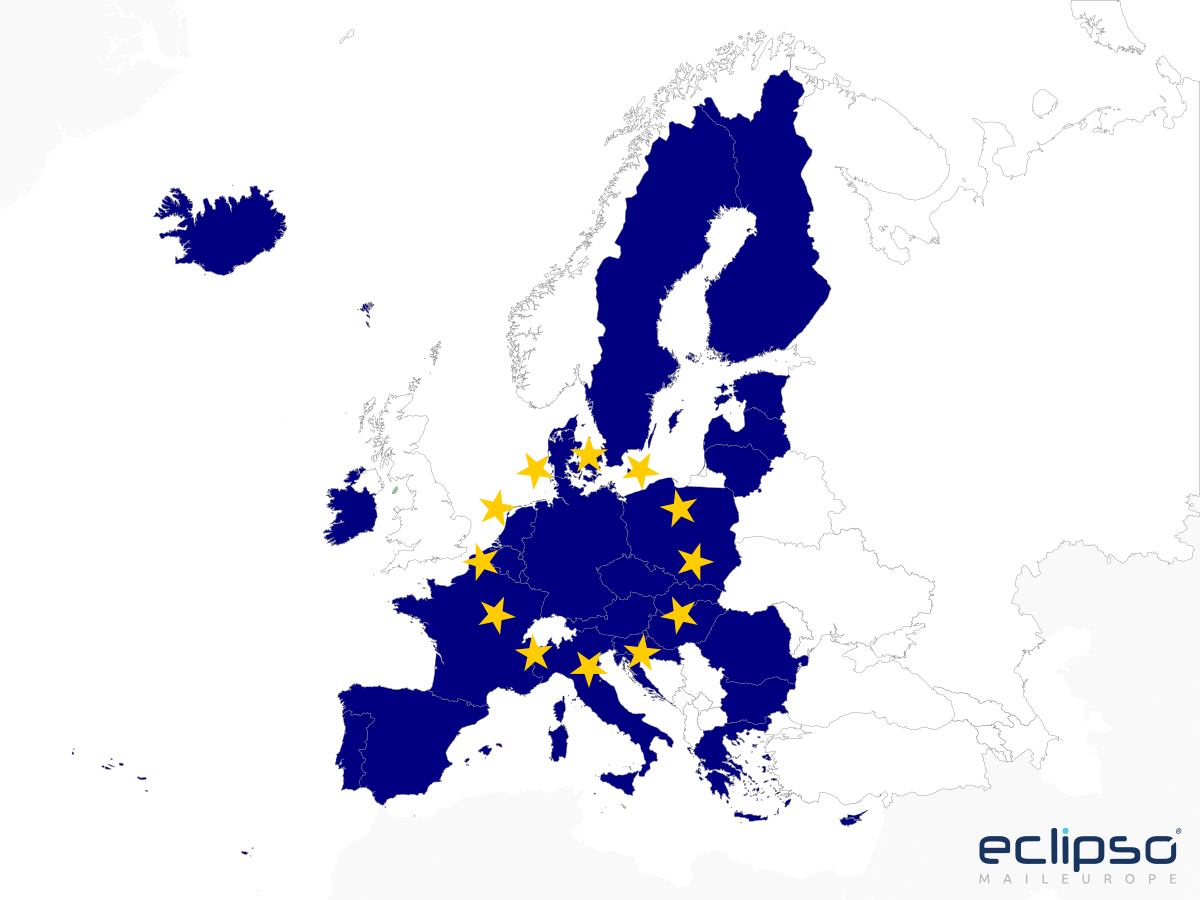
The European Union considers digital sovereignty a key requirement for safeguarding Europe’s values, economic resilience and democratic stability in the digital age. At the same time, it has repeatedly warned about critical dependencies on major US technology companies such as Google, Meta, Amazon and Microsoft, whose services and infrastructures often fall under foreign legislation and may not fully align with European data protection and security standards. Digital sovereignty therefore does not mean isolation – it means Europe’s ability to develop, operate and control trustworthy digital solutions independently, free from extraterritorial access and monopolistic structures of global providers.
Why Digital Sovereignty Matters Now
Today’s digital world is dominated by a small number of global actors – particularly US-based corporations such as Google, Meta, Amazon and Microsoft. These companies control essential digital infrastructures: cloud services, communication platforms, search engines, AI models and operating systems. Their business models often rely on data extraction, profiling and global data flows that may fall outside the scope of European legal protections.
For Europe, this means that outsourcing digital core functions can lead to a loss of strategic autonomy. The US Cloud Act allows American authorities to access data – even when it is physically stored in Europe. At the same time, dependencies arise that can undermine innovation, competition and security.
Digital sovereignty is therefore not a project against the United States, but a project for Europe. It is about strengthening our own capabilities, building trustworthy infrastructure and promoting digital services that respect European values such as privacy, transparency and the rule of law.
How European Companies Are Shaping Digital Sovereignty
Many European companies have recognized that digital sovereignty is not only a political goal but also a societal responsibility. They develop technologies that build trust, reduce dependencies and give citizens and organizations genuine control over their data.
- European cloud providers offering secure, GDPR-compliant infrastructure without extraterritorial access.
- Open-source initiatives promoting transparency, accountability and digital public goods.
- Privacy-focused communication services that reject tracking, profiling and advertising-based data exploitation.
- European security and cryptography companies treating encryption as a fundamental right rather than an optional feature.
- Digital identity solutions enabling secure and sovereign access to public and private services.
These companies demonstrate that digital sovereignty is not a technical detail but a societal asset. It strengthens trust, protects democracy, fosters innovation and builds digital infrastructure aligned with European values.
Digital Sovereignty Begins in Everyday Life – With the Tools We Choose
Digital sovereignty is not created solely through political programs or large-scale infrastructure projects. It also emerges through individual decisions: Which services do we use? Where is our data stored? Under which jurisdiction is it processed? Which business models do we support?
Email is a good example. It is one of the most important forms of digital communication – for citizens, businesses, public institutions and organizations. Yet it is often operated through services that analyze data, build profiles or fall under foreign legislation. Choosing a European, privacy-focused email service is therefore a concrete contribution to digital sovereignty.
eclipso Mail Europe exemplifies this development: an independent European service that places privacy, encryption, transparency and legal clarity at the center. Not as a product pitch, but as part of a broader societal movement toward digital self-determination.
Digital Sovereignty Is Europe’s Future Project
Digital sovereignty is not a luxury – it is a prerequisite for a free, secure and innovative digital society. It protects our data, strengthens our economy, preserves our democratic values and enables Europe to act confidently in the digital age.
By using, supporting and developing European technologies, we create a digital future that is not shaped by dependencies but by self-determination, transparency and trust. Digital sovereignty begins with each individual – and grows with every decision in favor of European digital solutions.
Author: Claus-Peter Beringer, Owner eclipso Mail Europe